Cultural Commons Home

Category

Arts & Community

6 articles

Music Without Marquees: The Living Room Orchestras Carrying Immigrant Classical Traditions Across America

Music Without Marquees: The Living Room Orchestras Carrying Immigrant Classical Traditions Across America

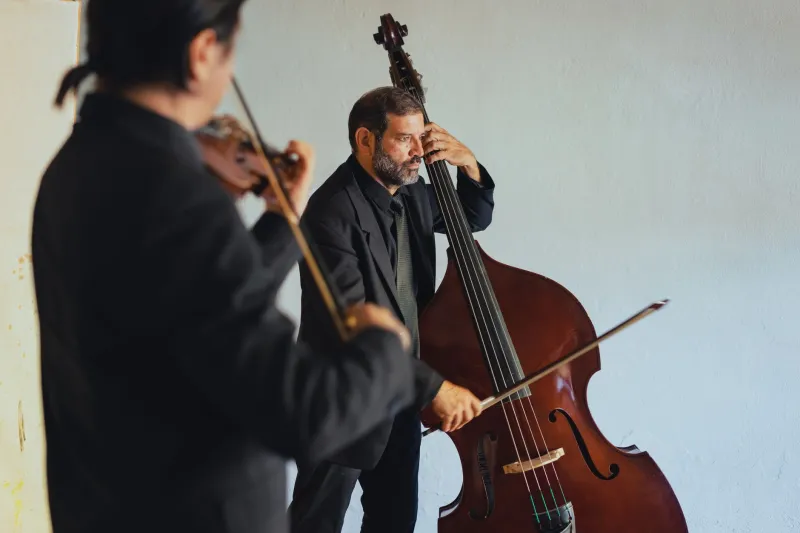
In church basements, suburban garages, and crowded apartment living rooms from Chicago to Los Angeles, immigrant musicians are sustaining classical traditions that rarely appear on the programs of major concert halls. These informal ensembles—Eastern European chamber groups, Middle Eastern oud circles, South Asian classical quartets—function simultaneously as cultural anchors and democratizing forces, making rigorous musical traditions accessible outside the gates of elite cultural institutions.
Screen Time as Sacred Time: How Digital Video Is Becoming a Lifeline for America's Endangered Folk Dances

Screen Time as Sacred Time: How Digital Video Is Becoming a Lifeline for America's Endangered Folk Dances

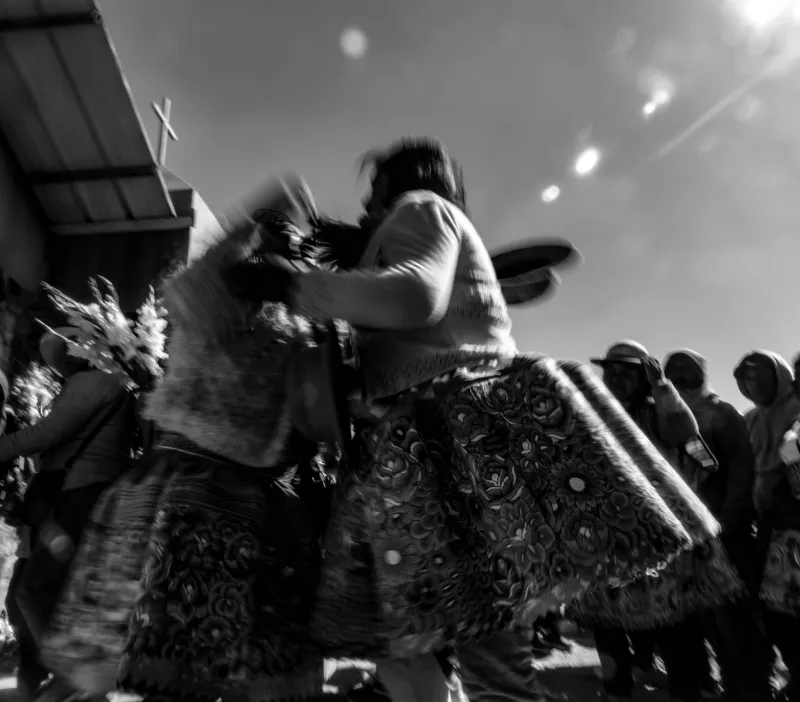
From the hollow-sounding clog of an Appalachian kitchen step dance filmed on a smartphone to the intricate hand gestures of a Hawaiian hula captured on a YouTube channel with fewer than five hundred subscribers, amateur video is quietly doing what formal institutions have largely failed to do: keeping endangered movement traditions alive and accessible. The question is whether a platform built for engagement can bear the weight of cultural memory.

Walls That Witness: How Community Muralists Are Rewriting Urban History in Plain Sight

Walls That Witness: How Community Muralists Are Rewriting Urban History in Plain Sight

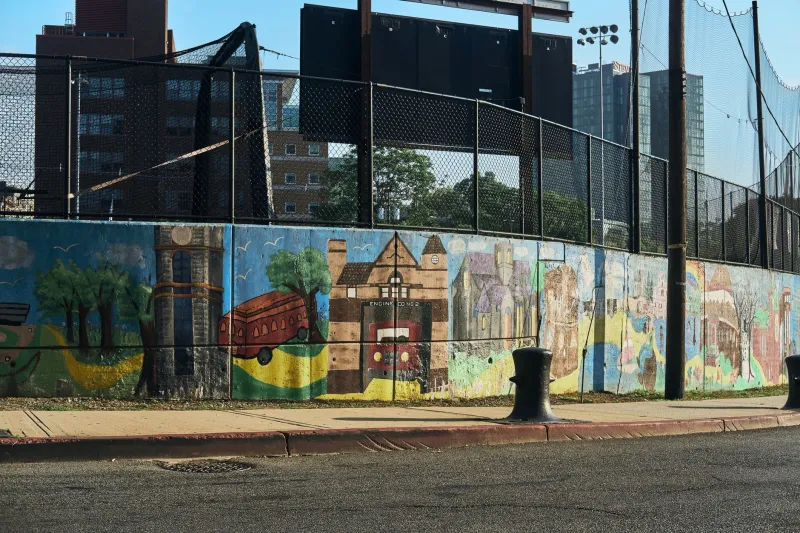
Across the United States, a growing movement of community muralists is transforming neglected urban surfaces into vivid, publicly accessible archives of local history and cultural identity. These artists navigate bureaucratic gatekeepers, scarce funding, and profound questions about whose stories deserve permanent space on shared walls. What emerges from their labor is something far more durable than paint: a renegotiated relationship between neighborhoods and their own past.

The Scroll and the Spinning Wheel: Can a Fifteen-Second Video Carry a Generation's Worth of Cultural Knowledge?

The Scroll and the Spinning Wheel: Can a Fifteen-Second Video Carry a Generation's Worth of Cultural Knowledge?

A new generation of creators is flooding social media feeds with demonstrations of Appalachian basket weaving, Tejano accordion traditions, and Gullah Geechee quilting techniques—and cultural preservationists are watching with a mixture of genuine hope and measured unease. The viral momentum behind these posts has introduced millions of Americans to art forms they might never have otherwise encountered. But the deeper question—whether a platform engineered for brevity can sustain the transmissio

From Vault to Village: The New Agreements Returning Cultural Treasures to the Communities That Made Them

From Vault to Village: The New Agreements Returning Cultural Treasures to the Communities That Made Them

A growing number of Indigenous tribes, historically marginalized communities, and local historical societies are successfully renegotiating their relationships with major American museums, winning the return of sacred objects and ancestral remains while also pioneering co-management agreements that fundamentally redistribute curatorial power. These arrangements are not merely administrative changes — they represent a profound reordering of who holds authority over cultural memory. The shift chal

Second Acts: Seven American Towns That Turned Forgotten Spaces Into Thriving Cultural Stages

Second Acts: Seven American Towns That Turned Forgotten Spaces Into Thriving Cultural Stages

Across rural counties and post-industrial towns, a quiet architectural and cultural revolution is underway: vacant churches, shuttered warehouses, and dormant civic buildings are being reborn as performance venues and community arts centers. These are not vanity projects funded by distant philanthropists — they are homegrown transformations driven by local artists, determined organizers, and inventive funding strategies. Here are seven communities proving that cultural vitality does not require